If you have ever pulled on your softest leggings, looked in the mirror, and wondered why your tummy feels so puffy and tight by mid-afternoon, please know you are not alone. Belly bloat is one of the most common frustrations women quietly carry, and it can feel discouraging when you are doing so much right and still feel uncomfortable in your own body.
Here is the gentle, hopeful truth. Pilates for bloating is one of the kindest, most effective things you can do for a calmer, flatter-feeling middle. Not through punishing ab work, but through slow breath, deep-core connection, and gentle movement that helps everything settle.
In this guide we will gently untangle the difference between bloat and fat, explore exactly why breath-led Pilates eases a puffy tummy, and share a soft daily approach you can actually keep up with. No crunches, no pressure, just a softer way to feel at home in your body again.
Bloat Versus Fat: Why the Difference Matters
Before we move a single muscle, let us clear up something that causes so much unnecessary worry. Bloating and belly fat are not the same thing, and treating them as if they were is why so many women feel stuck.
Belly fat is stored energy that sits on your body fairly consistently. Bloat, on the other hand, is temporary. It is your abdomen distending because of trapped gas, water retention, digestive slowdown, or tension in the muscles around your gut. That is why your stomach can look flat in the morning and feel three sizes bigger by evening.
What Actually Causes Belly Bloat
Bloat usually has a handful of gentle culprits. Eating quickly and swallowing air, certain foods your gut finds harder to digest, hormonal shifts across your cycle, dehydration, and a sluggish digestive system all play a part.
And here is the piece most people miss: stress. When you are anxious or burnt out, your nervous system diverts energy away from digestion, food moves more slowly, and gas builds up. This is exactly why a stressful day so often ends in a tight, swollen tummy.
Why This Is Such Good News
Because bloat is largely about digestion and tension, it responds beautifully to gentle, breath-led movement. You do not need to shrink fat to feel less bloated. You simply need to help your body relax, move, and release. That is precisely what Pilates is built to do.
How Gentle Pilates Eases Bloating
Pilates works on bloat from several soft angles at once, which is why it feels so much more effective than forcing your body through intense workouts that only ramp up your stress.
Breath Is the Secret Ingredient
Every Pilates movement begins with the breath, and breath is digestion’s best friend. Slow, full breathing into your ribs and belly massages your internal organs and stimulates the vagus nerve, which switches your body into rest-and-digest mode.
In that calm state, your digestive system gets back to work, trapped gas can move along, and the tension in your abdominal wall softens. A few minutes of focused Pilates breathing can ease that uncomfortable, balloon-like feeling more than you might expect.
Deep-Core Activation Without Crunches
Pilates is obsessed with the transverse abdominis, the deep muscle that wraps around your middle like a natural corset. Gently activating it, rather than crunching, supports your organs and encourages healthy movement through your gut.
This is the same deep-core work that helps your tummy feel flatter over time, which is why our 28-Day Flat Tummy Reset leans entirely on soft, breath-led core engagement instead of exhausting ab challenges. It calms and tones at the same time.
Gentle Twists and Movement Get Things Moving
Light spinal twists and flowing movements physically encourage your digestive system to keep things moving along. Think of it as a soft internal massage that nudges trapped gas and sluggish digestion in the right direction.
This is why women so often feel lighter and more comfortable after even ten minutes of gentle Pilates. You are not burning the bloat away. You are helping your body let it go.
A Gentle Daily Pilates Routine to Beat Bloat
These movements are soft, beginner-friendly, and designed to be done slowly. Move with your breath, never force anything, and stop if a position ever feels uncomfortable. Five to ten gentle minutes is plenty.
Diaphragmatic Breathing
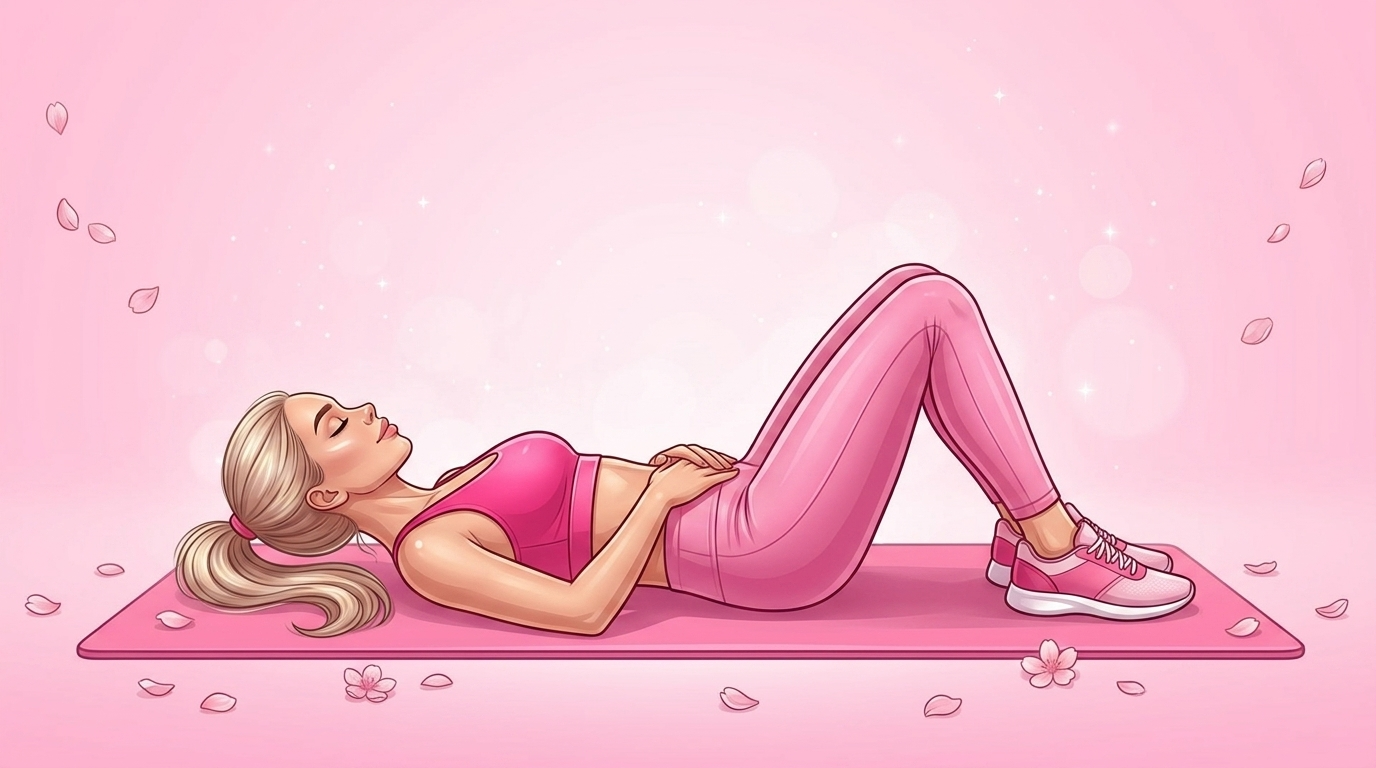
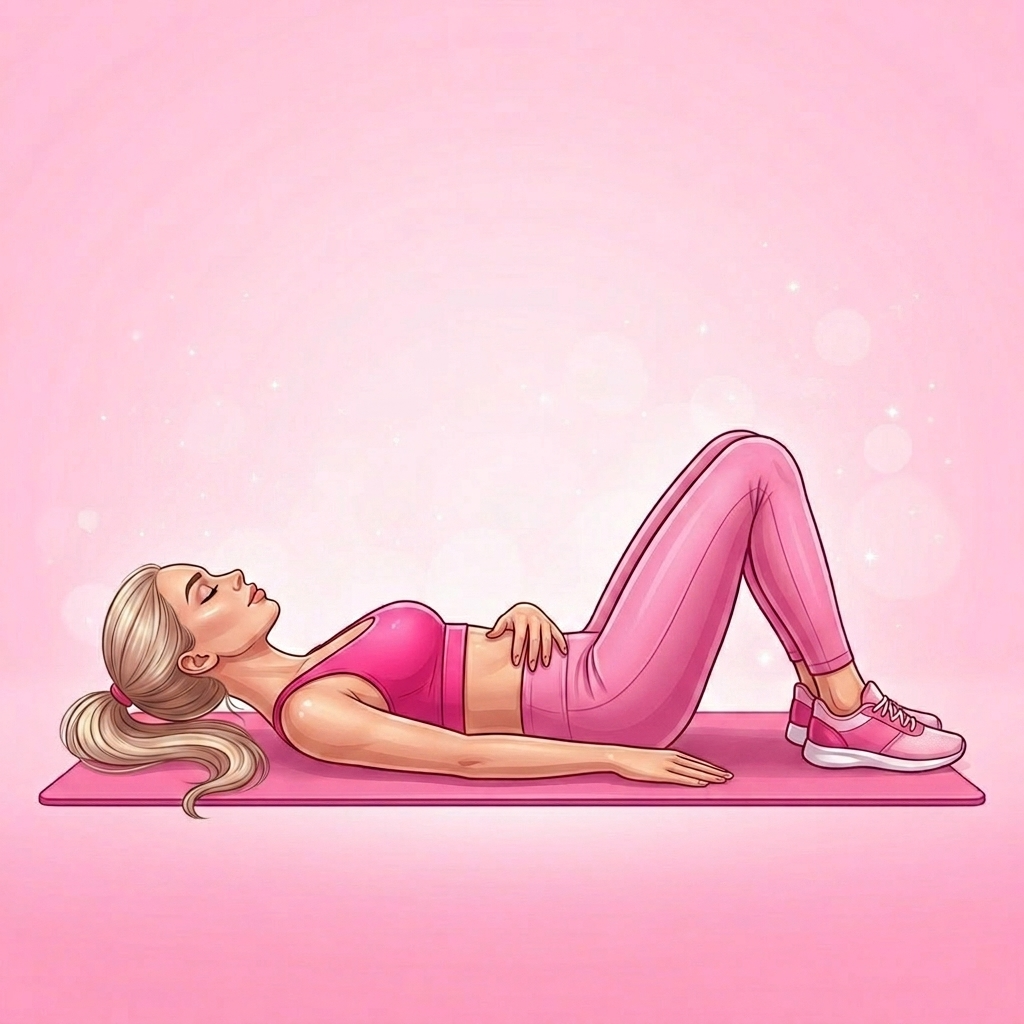
Start here every time. Lie on your back with knees bent, rest your hands on your lower belly, and breathe deeply so your belly rises on the inhale and softly falls on the exhale.
As you breathe out, gently draw your navel toward your spine. Repeat for one to two minutes. This single practice calms your nervous system and wakes up the digestion that bloat depends on.
Cat-Cow Flow
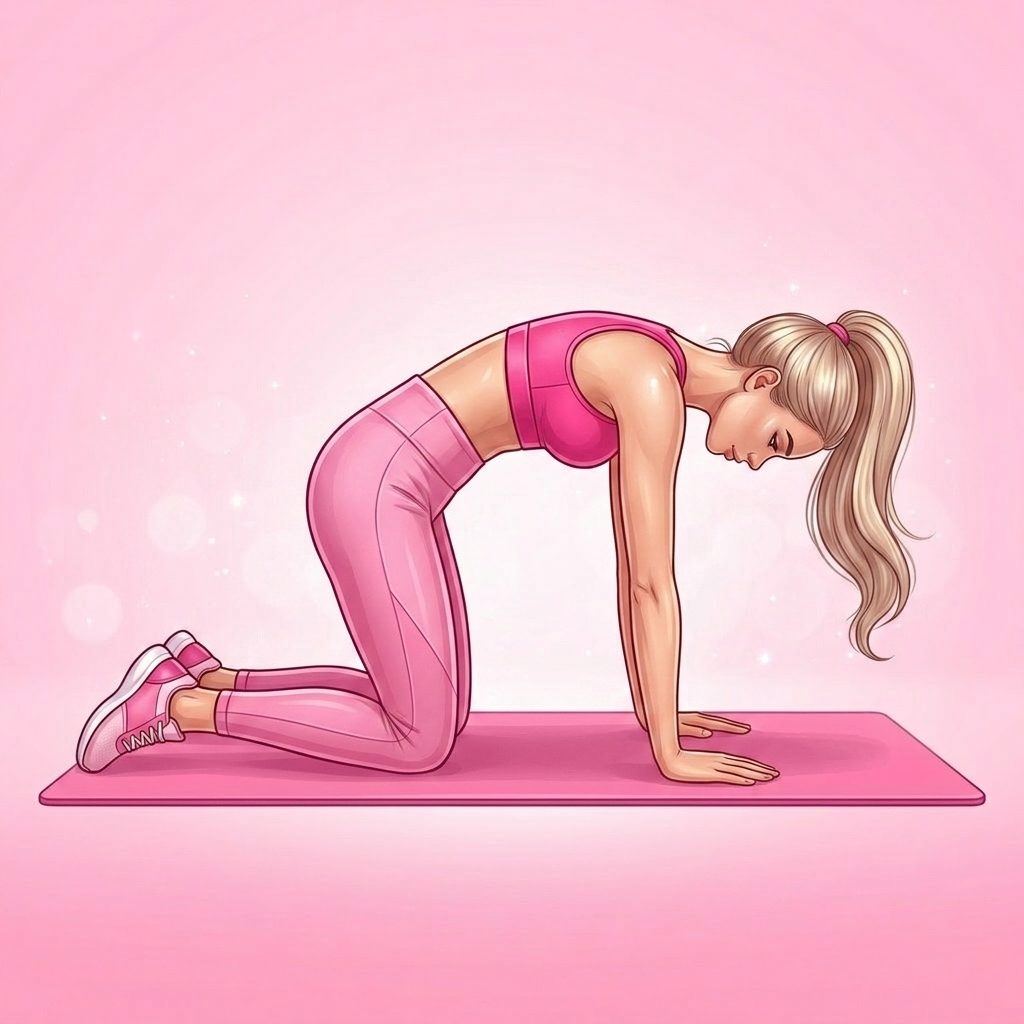
Come onto all fours. As you inhale, drop your belly and lift your chest gently. As you exhale, round your spine and draw your navel up toward your back.
This soft, flowing movement massages your abdominal organs and encourages trapped gas to move. Flow slowly with your breath for five to eight rounds and feel your middle begin to soften.
Pelvic Tilts
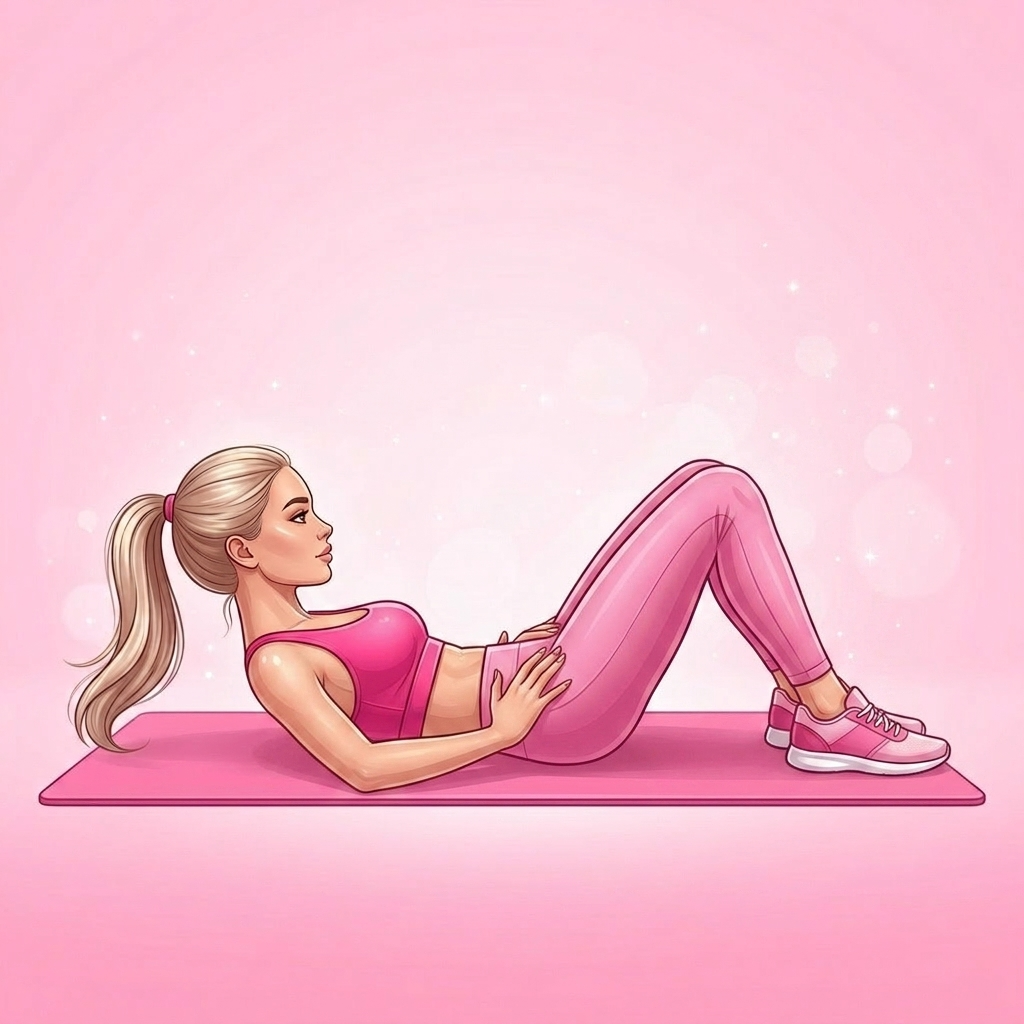
Lie on your back with knees bent and feet flat. On an exhale, gently tilt your pelvis so your lower back presses lightly into the floor, then release.
These small, gentle tilts engage your deep core without any strain and add a soft pumping motion that supports digestion. Repeat slowly eight to ten times.
Supine Twist
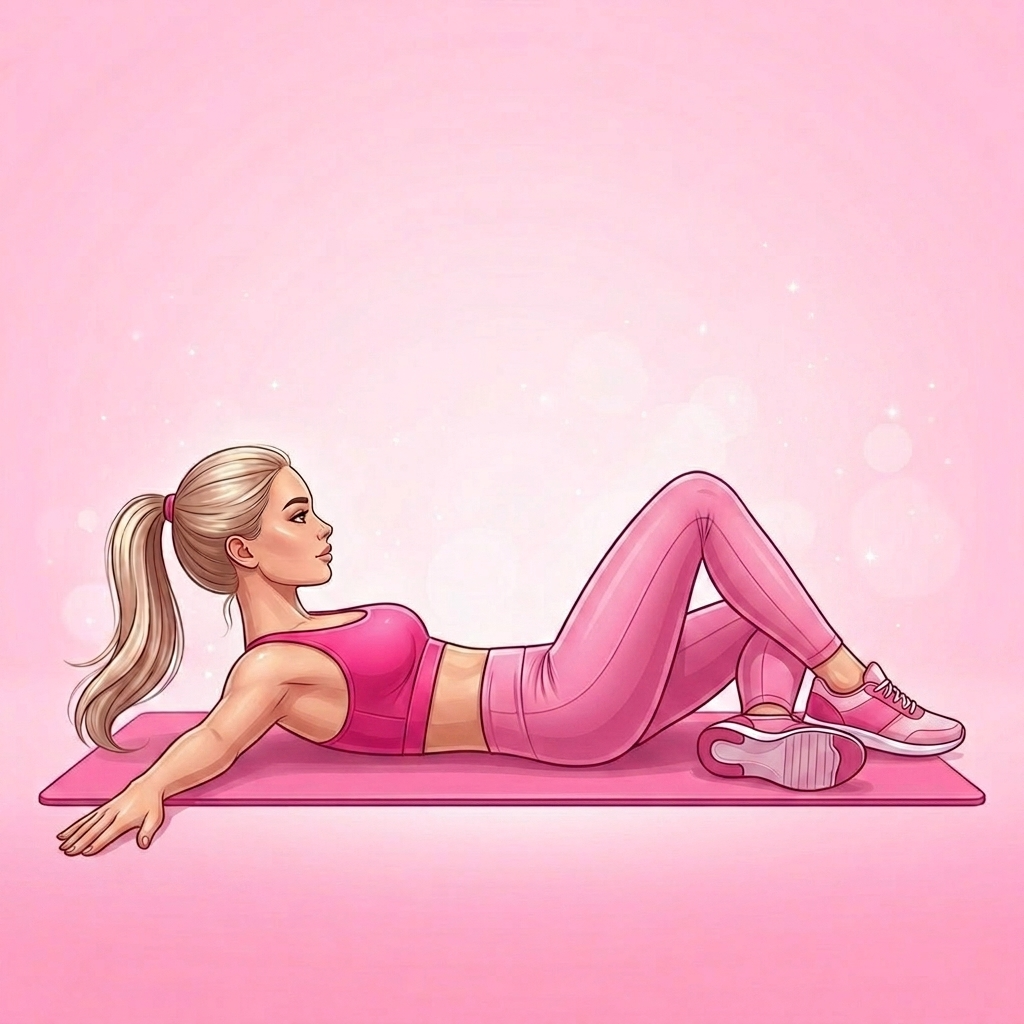
Stay on your back, draw your knees toward your chest, then let them drop gently to one side as you breathe out. Keep your shoulders soft and grounded.
Hold for a few slow breaths, feeling a gentle wringing through your middle, then switch sides. Twists are wonderful for easing trapped gas and that tight, swollen feeling.
Child’s Pose
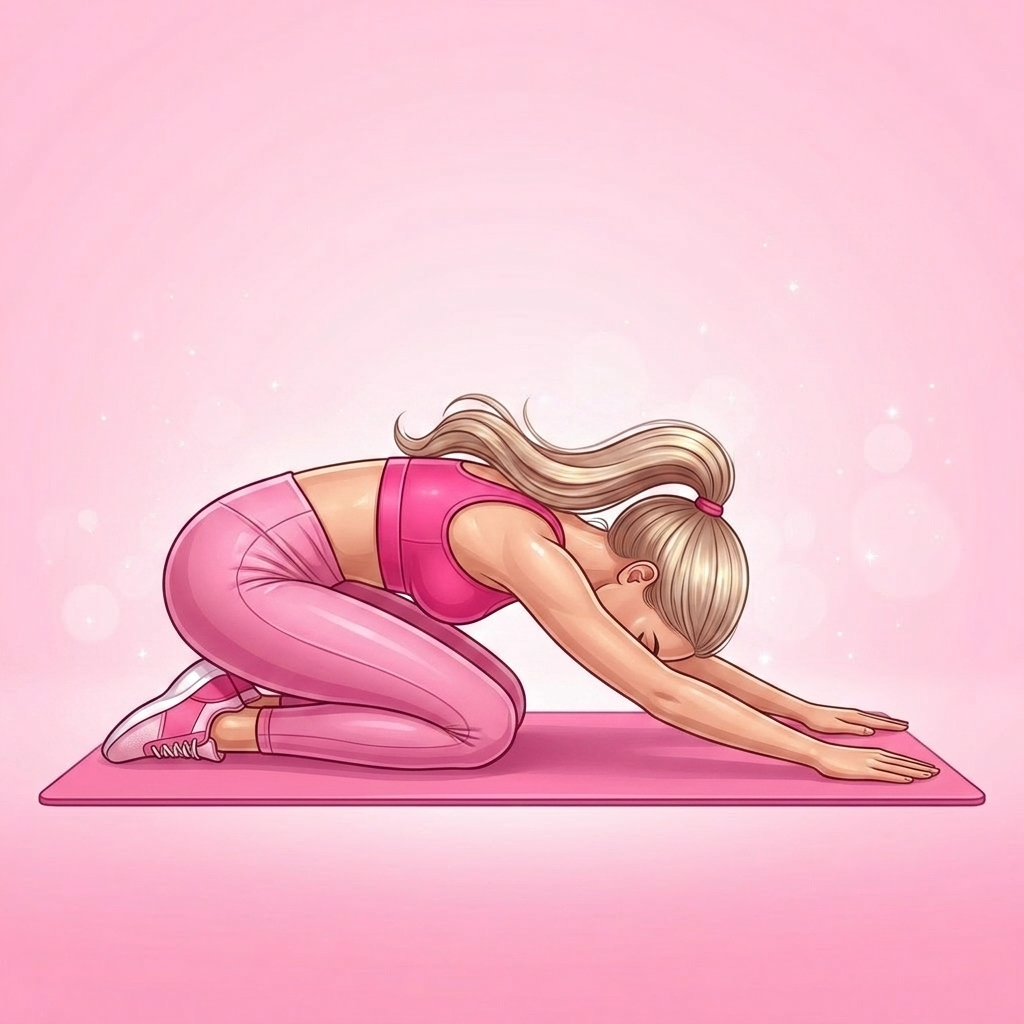
Finish here. Kneel and sink your hips back toward your heels, reaching your arms forward and resting your forehead down. Breathe deeply into your back body.
This restful pose gently compresses and releases your abdomen with each breath, calming both your belly and your mind. Stay for five to ten slow breaths and let everything settle.
Soft Daily Habits That Help Pilates Work
Pilates eases bloat beautifully, and it works even better when you pair it with a few gentle lifestyle habits. None of this is about restriction. It is about kindness.
Sip water steadily through the day, because hydration keeps digestion flowing and actually reduces water retention. Eat slowly and mindfully so you swallow less air, and try a short, gentle walk after meals to keep things moving.
Notice which foods leave you feeling puffy, without turning it into anxiety. If you would like a soft starting point, our Anti-Bloat Food Quiz can gently point you toward the everyday swaps your body might thank you for.
Above all, tend to your stress. Calming your nervous system is not a luxury here, it is part of the treatment. Gentle Pilates, slow breath, and good sleep all tell your body it is safe to digest and release.
What Realistic Results Look Like
Let us set kind expectations. Because bloat is so responsive to breath and movement, this is one area where you can feel a difference quickly, sometimes within a single gentle session.
Many women feel lighter and less swollen the very same day they start practicing Pilates breathing and gentle twists. With consistent daily practice over two to four weeks, that puffy, tight feeling tends to show up far less often, and your tummy feels calmer and flatter more of the time.
If bloating is part of a wider goal to feel comfortable and confident in your midsection, you may also love our guide on whether Pilates really gives you a flat stomach, which builds on this same deep-core foundation. And if your results ever feel slower than you hoped, our piece on why Pilates results can stall offers gentle, honest reassurance.
Frequently Asked Questions
Can Pilates really help with bloating?
Yes. Pilates eases bloating through deep breathing that stimulates digestion, gentle twists that help trapped gas move, and core activation that supports your gut. Because bloat is mostly about digestion and tension rather than fat, it responds quickly to this soft, breath-led movement.
How long does it take for Pilates to reduce bloating?
Many women feel lighter and less swollen the same day they practice gentle Pilates breathing and twists. With consistent daily practice over two to four weeks, bloating tends to occur far less often, and the tummy feels calmer and flatter more of the time.
Is bloating the same as belly fat?
No. Belly fat is stored energy that stays fairly consistent, while bloat is temporary swelling from trapped gas, water retention, or slowed digestion. That is why your stomach can look flat in the morning and feel much bigger by evening. Bloat responds beautifully to gentle movement.
What Pilates exercises are best for bloating?
Diaphragmatic breathing, cat-cow, pelvic tilts, supine twists, and child’s pose are wonderfully effective. They combine breath, gentle spinal movement, and soft core activation to calm your nervous system, massage your organs, and encourage trapped gas to move along comfortably.
Your Next Step
So, can Pilates for bloating actually help? Yes, and it does it the gentlest way imaginable, through breath, soft movement, and a calmer nervous system rather than punishing workouts. Your tummy is not a problem to fix. It simply wants to feel safe enough to relax and release.
If you would love a soft, done-for-you plan that weaves this breath-led, bloat-easing core work into a gentle daily rhythm, the 28-Day Flat Tummy Reset is the kindest place to begin. Four weeks of feminine, breath-first movement designed to calm and sculpt from the inside out.
You do not need to be perfect. You just need to begin.