If you have been searching for a full body Pilates workout at home and feeling a little unsure about where to even begin, take a breath. You are exactly where you need to be. So many of us want to feel strong and graceful in our own bodies without a gym membership, fancy machines, or a single ounce of hustle.
Here is the gentle truth. You can train your whole body beautifully from a small corner of your bedroom floor, using nothing but a mat and your own breath. The secret is not intensity. It is a thoughtful plan that builds on itself, week by week.
In this guide we will walk through what a full body Pilates workout at home really looks like, how a 30-day roadmap is sequenced, and a complete session you can flow through today. No pressure, no perfection. Just soft, steady progress.
What a Full Body Pilates Workout at Home Actually Looks Like
A full body Pilates session is not a frantic sweat session. It is a slow, deliberate sequence that moves through every major muscle group, from your deep core to your glutes, back, and shoulders.
Each movement is controlled and breath led. You are not counting how many you can rush through. You are paying attention to how each one feels, which is exactly what makes Pilates so effective and so kind to your nervous system.
Why You Do Not Need Any Equipment
This is the part that surprises so many beginners. Classical mat Pilates was designed to use your own body weight as resistance, which means your floor is your studio.
A comfortable mat, a little open space, and maybe a cushion for support are all you need. If you have ever felt put off by expensive reformers or intimidating studios, mat work is your soft, accessible way in. Our complete guide to mat Pilates at home for beginners walks through the foundations if you are brand new.
The Muscles a Full Body Flow Wakes Up
A well-rounded routine touches everything. Your transverse abdominis, the deep corset muscle, switches on first. Then your glutes, hamstrings, and inner thighs join in to support your hips.
Your back and shoulders strengthen to lift your posture, and your obliques gently sculpt your waist. By the end, you have worked your whole body without a single jarring movement.
How a Full Body Pilates 30-Day Roadmap Is Sequenced
A structured month is what turns scattered workouts into real, visible change. Instead of guessing what to do each day, you let the plan build your strength one layer at a time.
Here is how a thoughtful 30-day full body Pilates plan tends to unfold. This is the same gentle progression our 30-Day Full Body Pilates program follows, so you never have to wonder what comes next.
Week 1: Foundations and Breath
Your first week is all about reconnection. You learn diaphragmatic breathing, wake up your deep core, and practice the basic movements slowly.
Nothing here is meant to exhaust you. The goal is to build a strong foundation so every week that follows feels steady rather than shaky.
Week 2: Building Strength
In week two, you add gentle resistance and a few more repetitions. Glute bridges, leg work, and slightly longer holds begin to build real, usable strength.
You may start to notice your posture lifting and your core feeling more switched on throughout the day. That quiet awareness is a beautiful sign your body is responding.
Week 3: Flow and Challenge
Week three is where it gets fun. Your movements begin to link together into flowing sequences, and you hold each pose a little longer.
This is the week many women feel genuinely stronger and more capable. You are no longer thinking through every move. Your body simply knows.
Week 4: Integration and Bloom
Your final week brings everything together. Full body flows weave core, lower body, and back work into one graceful sequence.
By day 30, the movements that felt awkward on day one feel like second nature. This is the bloom, the soft payoff of showing up gently and often.
Your At-Home Full Body Pilates Session, Move by Move
Ready to actually move? Here is a complete full body Pilates session you can flow through right now. Move slowly, breathe deeply, and let quality lead. Aim for five to eight repetitions of each movement unless noted otherwise.
Gentle Standing Warm-Up
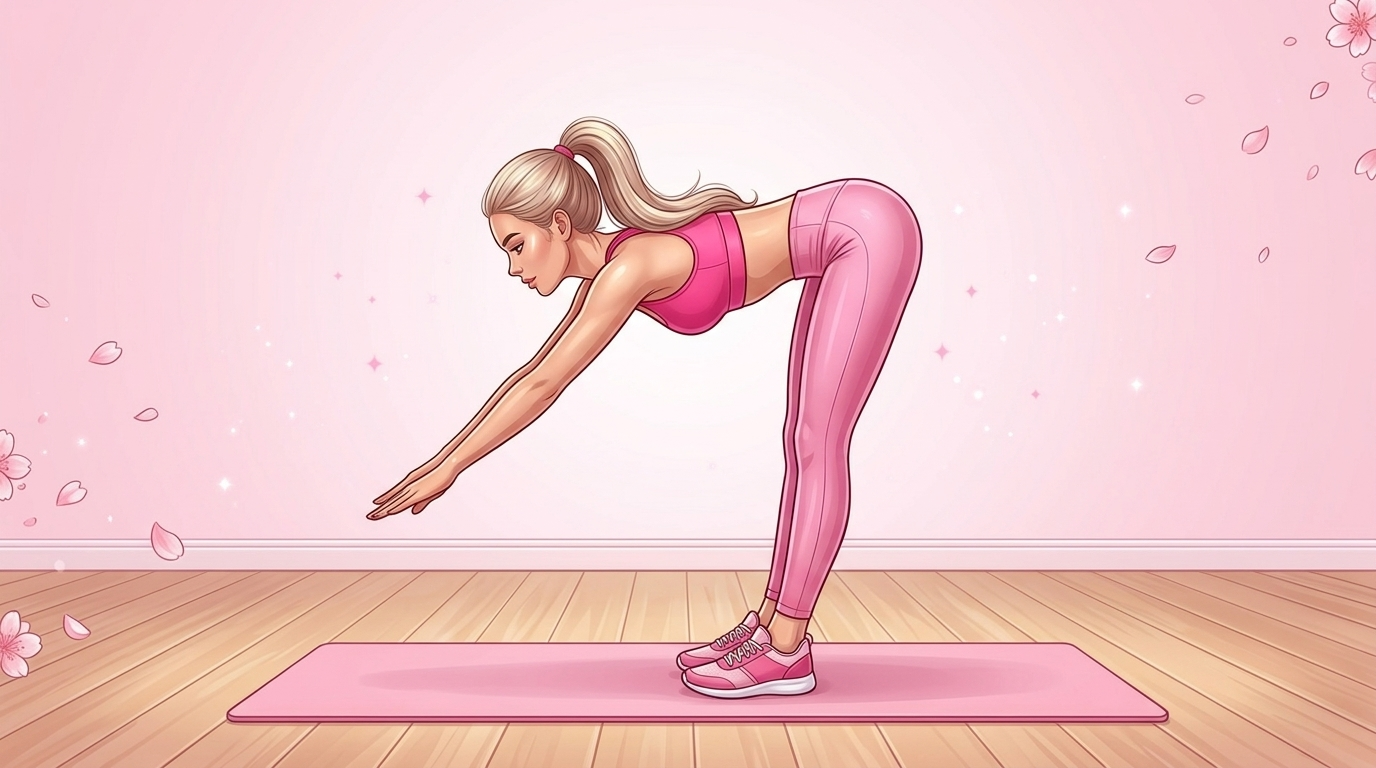
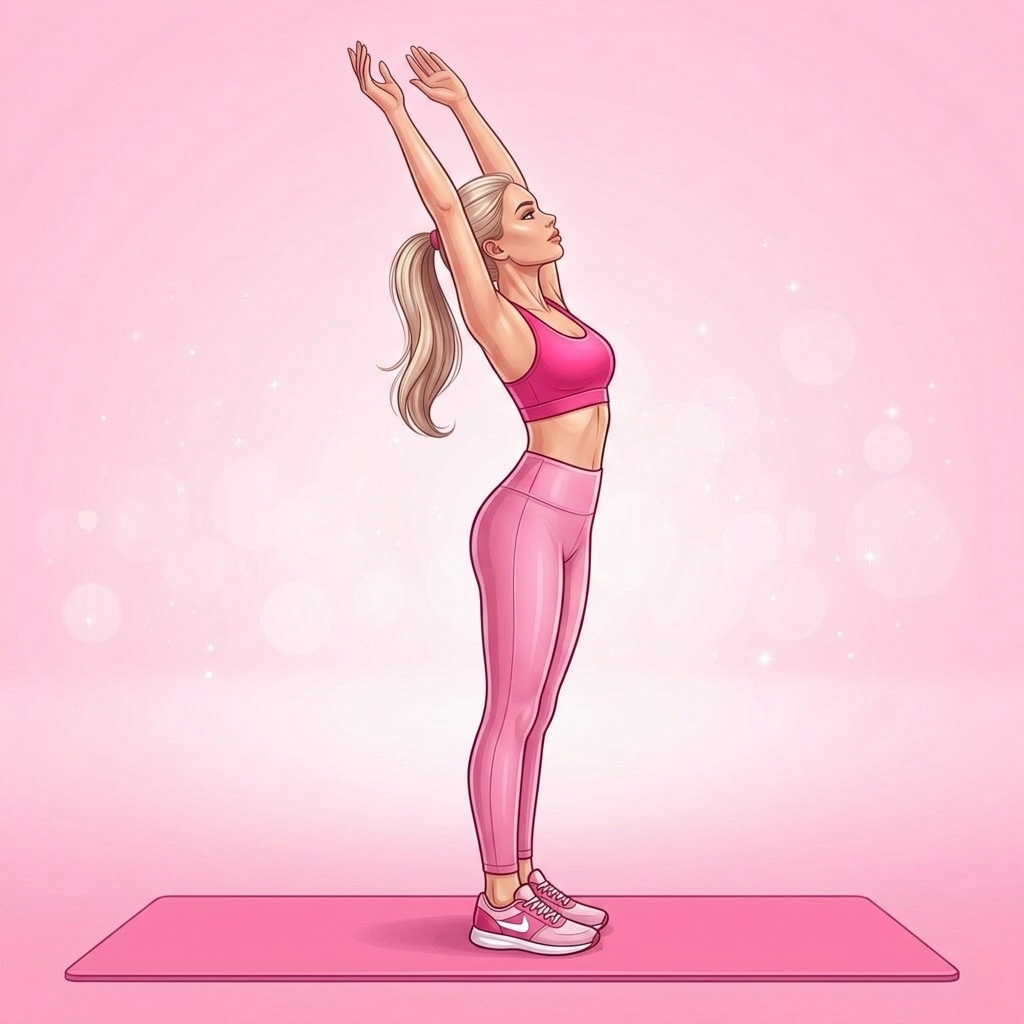
Begin standing tall with soft knees. Roll your shoulders back, circle your arms, and let your spine wake up with a few slow standing roll-downs toward the floor and back up.
This is not a throwaway step. A warm body moves more freely and protects your joints, so give it a full two minutes of loving attention.
Diaphragmatic Breathing and Core Awakening
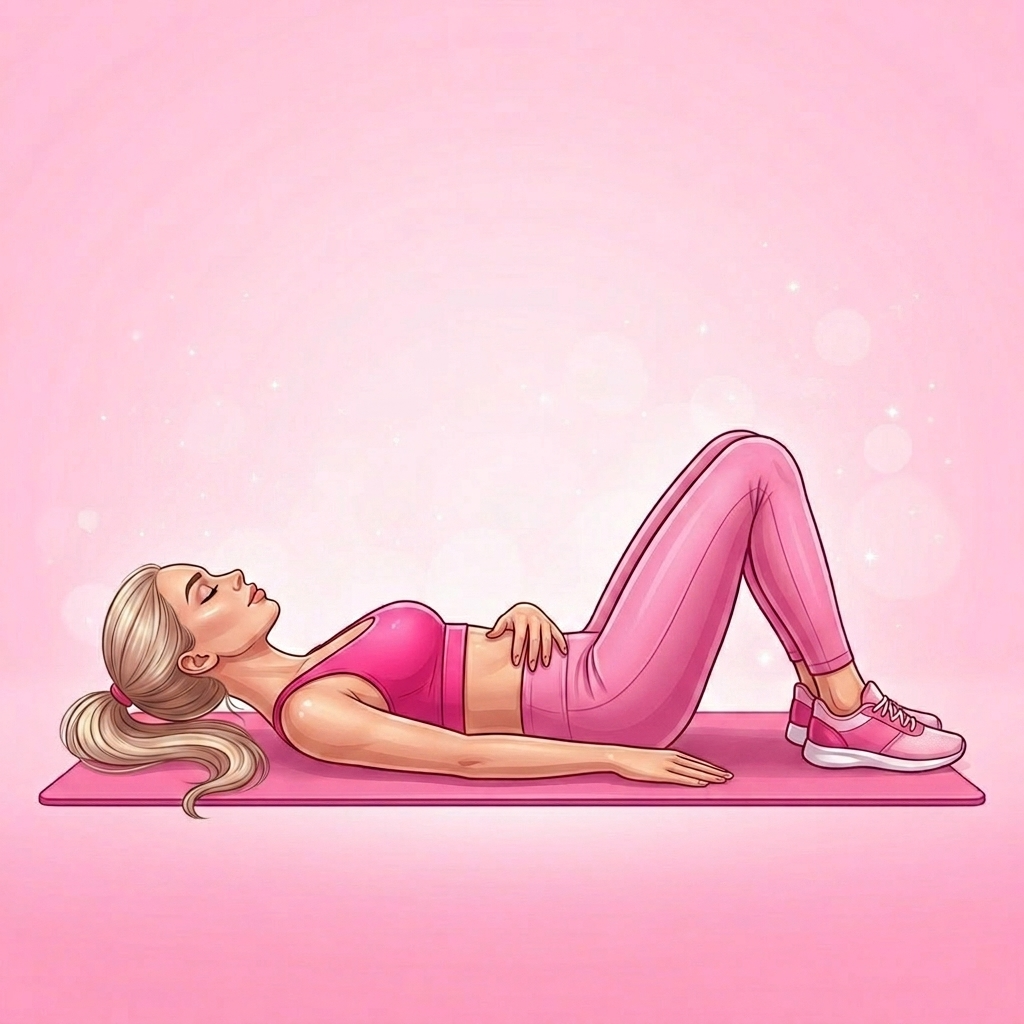
Lie on your back with knees bent and hands resting on your lower belly. Breathe wide into your ribs, then exhale and draw your navel softly toward your spine.
This is your transverse abdominis switching on, the foundation of every Pilates movement. Spend a full minute here before you do anything else.
The Hundred for Core Heat
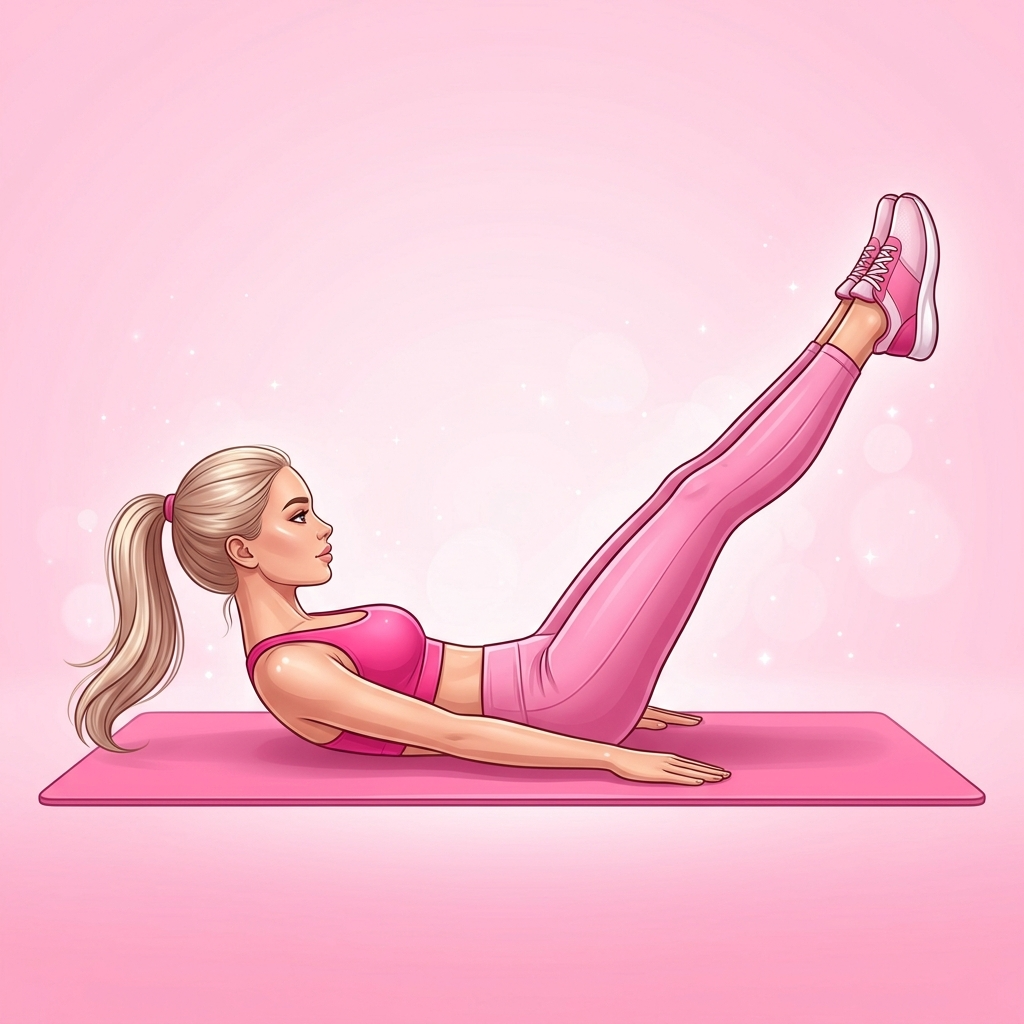
Curl your head and shoulders gently off the mat, extend your legs to a comfortable height, and pump your arms by your sides. Breathe in for five counts and out for five.
The Hundred builds deep-core endurance and warmth without a single crunch. Keep your lower back calm and bend your knees higher if you feel any strain.
Glute Bridges for Your Lower Body
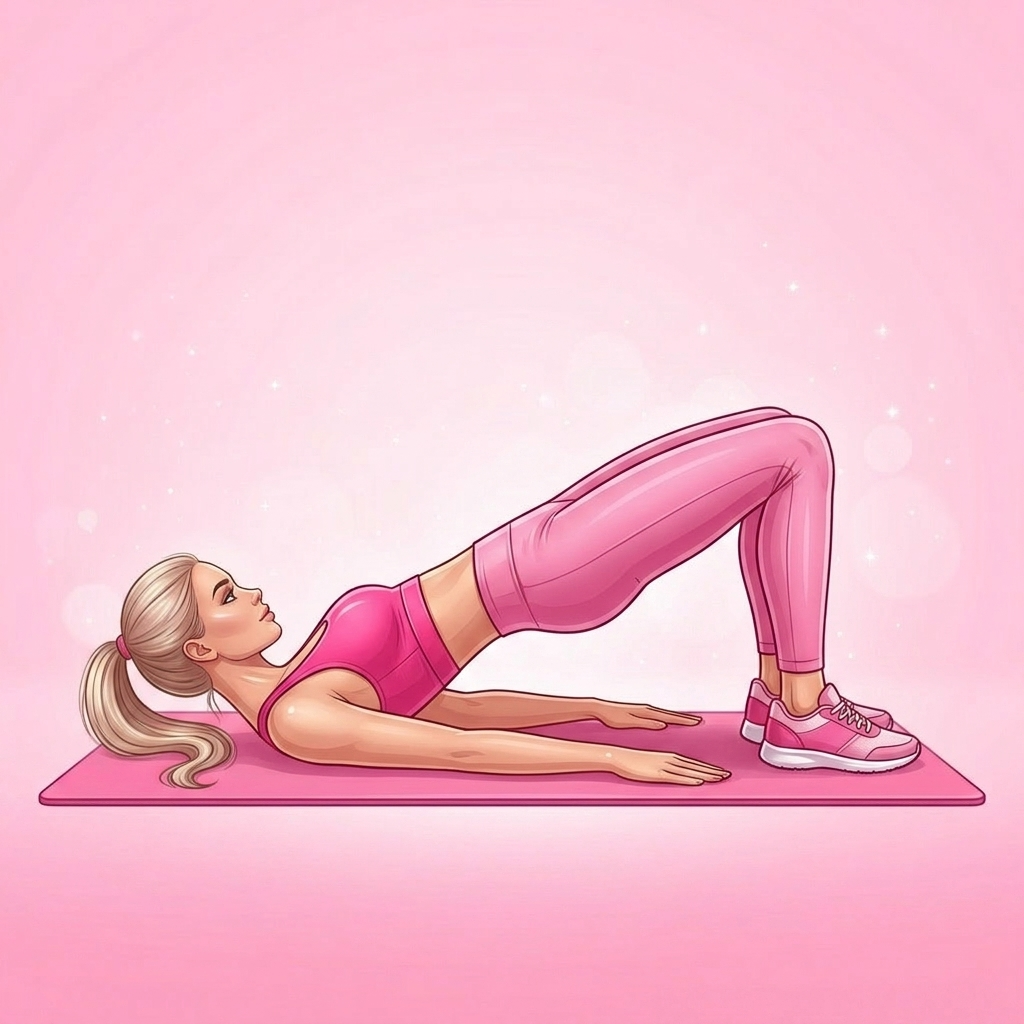
Stay on your back, bend your knees, and place your feet hip width apart. Press through your heels and lift your hips toward the ceiling, squeezing your glutes at the very top.
This move strengthens your glutes, hamstrings, and lower back, the powerhouse of your whole body. Lower slowly, one vertebra at a time, then repeat with control.
Bird Dog for Total Body Stability
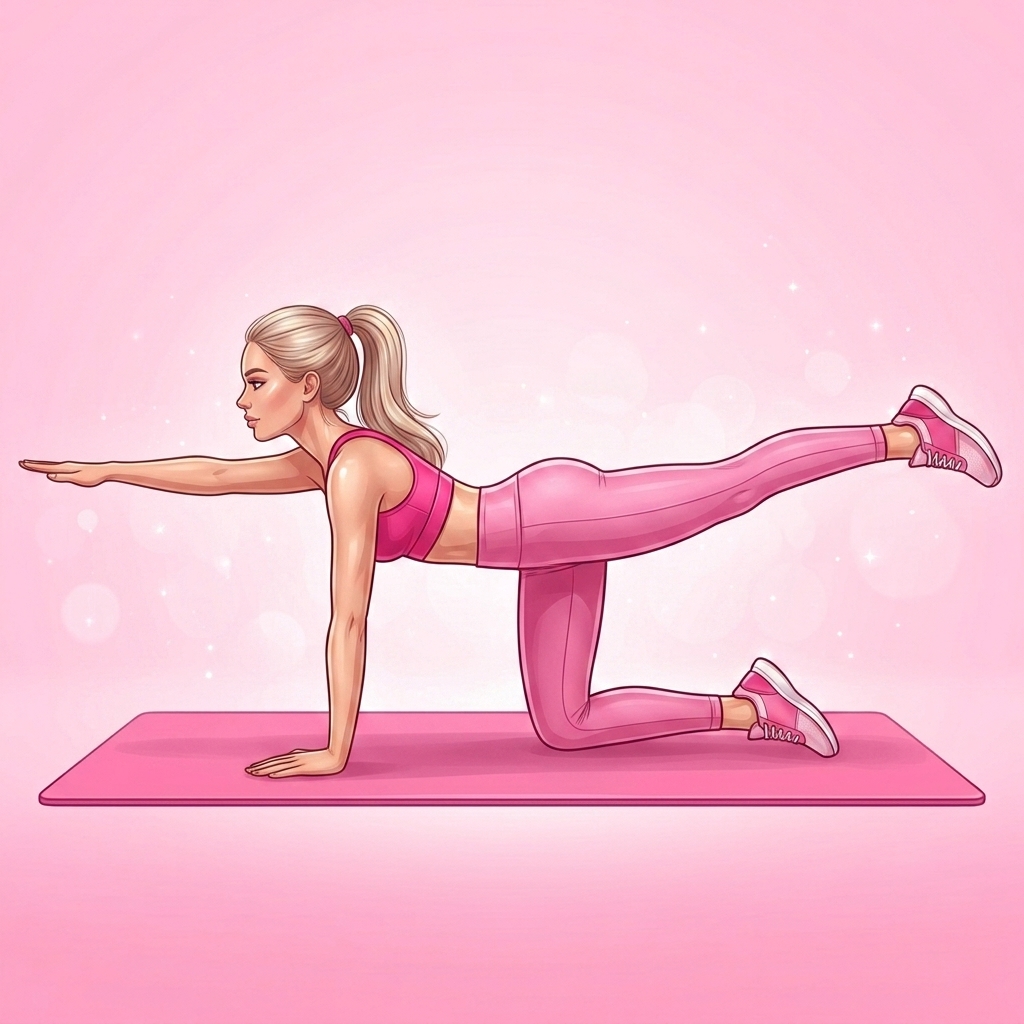
Come onto all fours with wrists under shoulders and knees under hips. Extend one arm forward and the opposite leg back, keeping your core drawn in and your hips level.
The bird dog teaches your entire body to stabilize as a unit, which is exactly what strong, graceful movement asks of it. Hold for a breath, return, and switch sides.
Swimming for a Strong Back and Posture
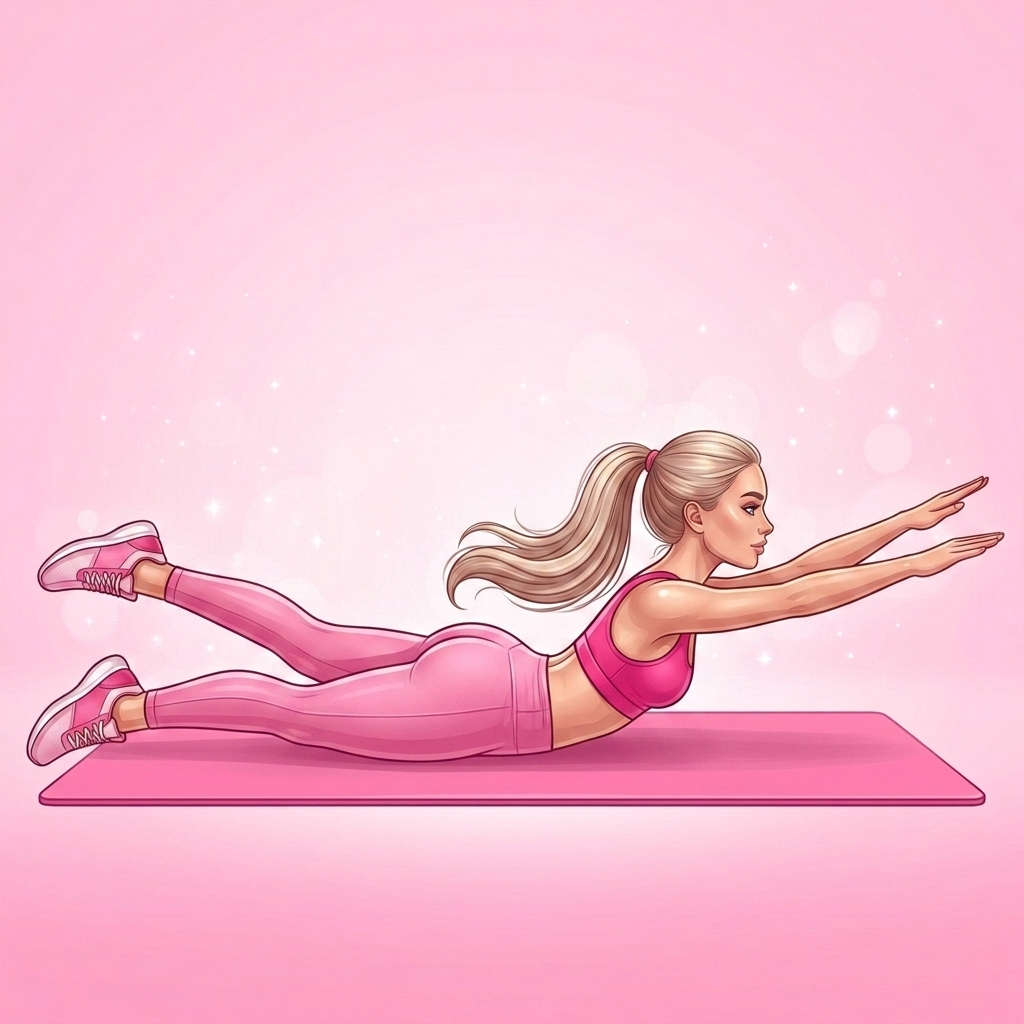
Lie on your front with arms reaching overhead. Lift your chest, arms, and legs gently off the mat, then flutter the opposite arm and leg in a small swimming motion.
This beautifully strengthens your back and counters all the hunching of daily life. Keep your neck long and your movements small and controlled.
Constructive Rest to Restore
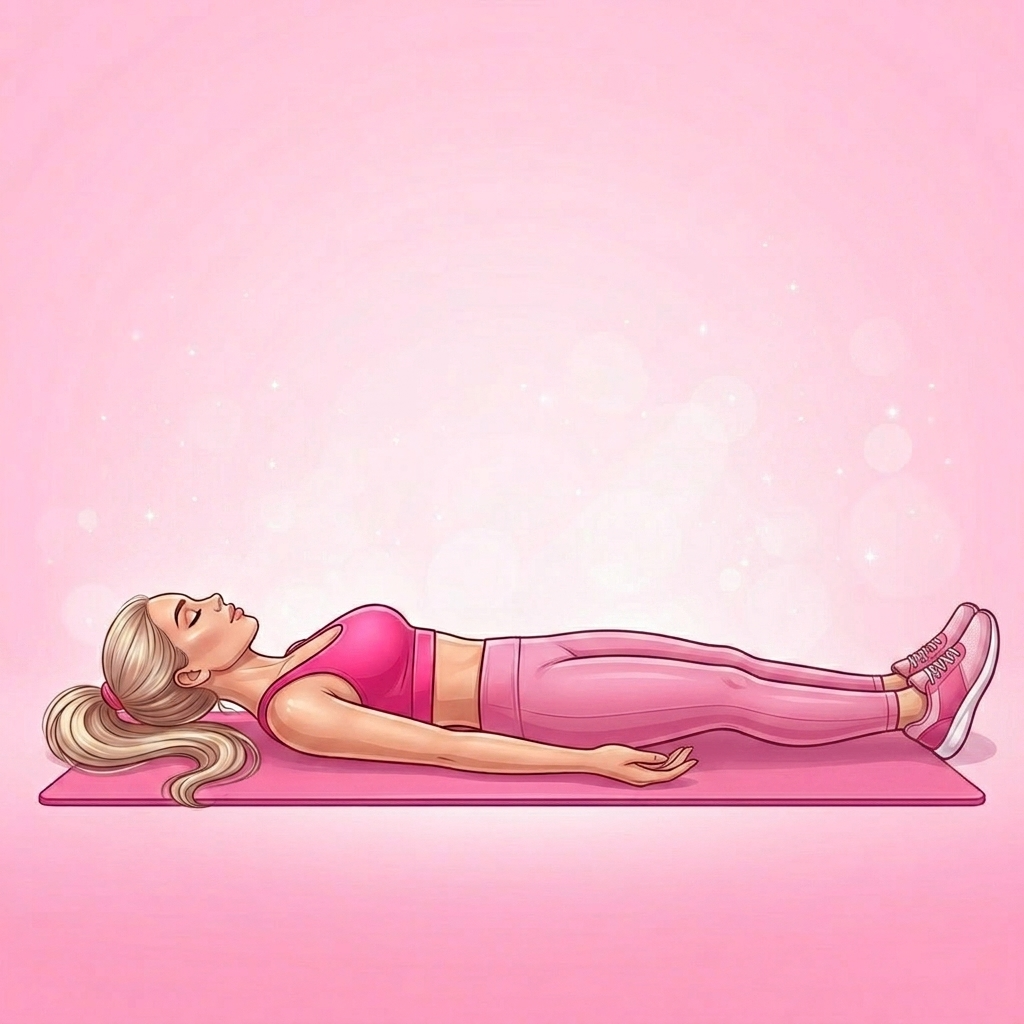
Finish lying on your back with knees bent and feet on the floor, hands resting softly on your belly. Breathe naturally and let your whole body soften into the mat.
This is not optional. A few minutes of stillness lets your nervous system absorb the work and seals in that calm, restored feeling. This is the soft life in action.
How to Stay Consistent for All 30 Days
Consistency, not intensity, is what carries you to day 30. Here is how to make showing up feel effortless rather than like one more thing on your list.
Keep Your Mat Visible
Roll your mat out the night before and leave it where you will see it first thing. A visible cue removes the biggest hurdle, which is simply remembering and deciding to begin.
Start Small and Stack the Habit
On busy days, promise yourself just ten minutes. Attach your practice to something you already do, like your morning coffee or your evening wind-down, so it becomes part of your natural rhythm.
If you would love gentle accountability and the comfort of moving alongside others, our Pilates Studio Finder can help you find a supportive class nearby for the days you crave company.
Trade Pressure for Patience
You will miss a day. That is human, and it changes nothing. Simply return the next day without a drop of guilt.
The Pilates Princesses who see the most beautiful results are never the ones who train hardest. They are the ones who keep coming back, softly and often. A guided plan like the 30-Day Full Body Pilates roadmap makes that gentle consistency feel almost automatic.
Frequently Asked Questions
Can I really do a full body Pilates workout at home with no equipment?
Yes. Classical mat Pilates uses your own body weight as resistance, so a mat and a little floor space are all you need. A full body session can work your core, glutes, back, and arms beautifully without any machines or weights.
How long should a full body Pilates workout at home be?
Twenty to thirty minutes is plenty for a complete full body session. On busy days, even ten focused minutes counts. Consistency matters far more than length, so a short daily practice beats one long weekly workout.
How often should I do a full body Pilates routine at home?
Three to five times a week is ideal for steady progress without burnout. A structured 30-day plan often alternates fuller sessions with gentle recovery days, which lets your body strengthen and restore at the same time.
Will a full body Pilates workout at home help me lose weight?
Pilates builds lean strength, improves posture, and lowers stress, which all support a healthier body composition. Paired with nourishing food and daily walking, a consistent home routine can absolutely help you feel leaner and more toned over time.
Your Next Step
A full body Pilates workout at home is not about punishing yourself into shape. It is about meeting your body with gentle, consistent care and watching it grow stronger week by week.
If you would love a done-for-you plan that sequences all of this beautifully, the 30-Day Full Body Pilates program is the softest place to start. Thirty days of feminine, breath-led movement that takes the guesswork out, so you simply press play and bloom.
You do not need to be perfect. You just need to begin.