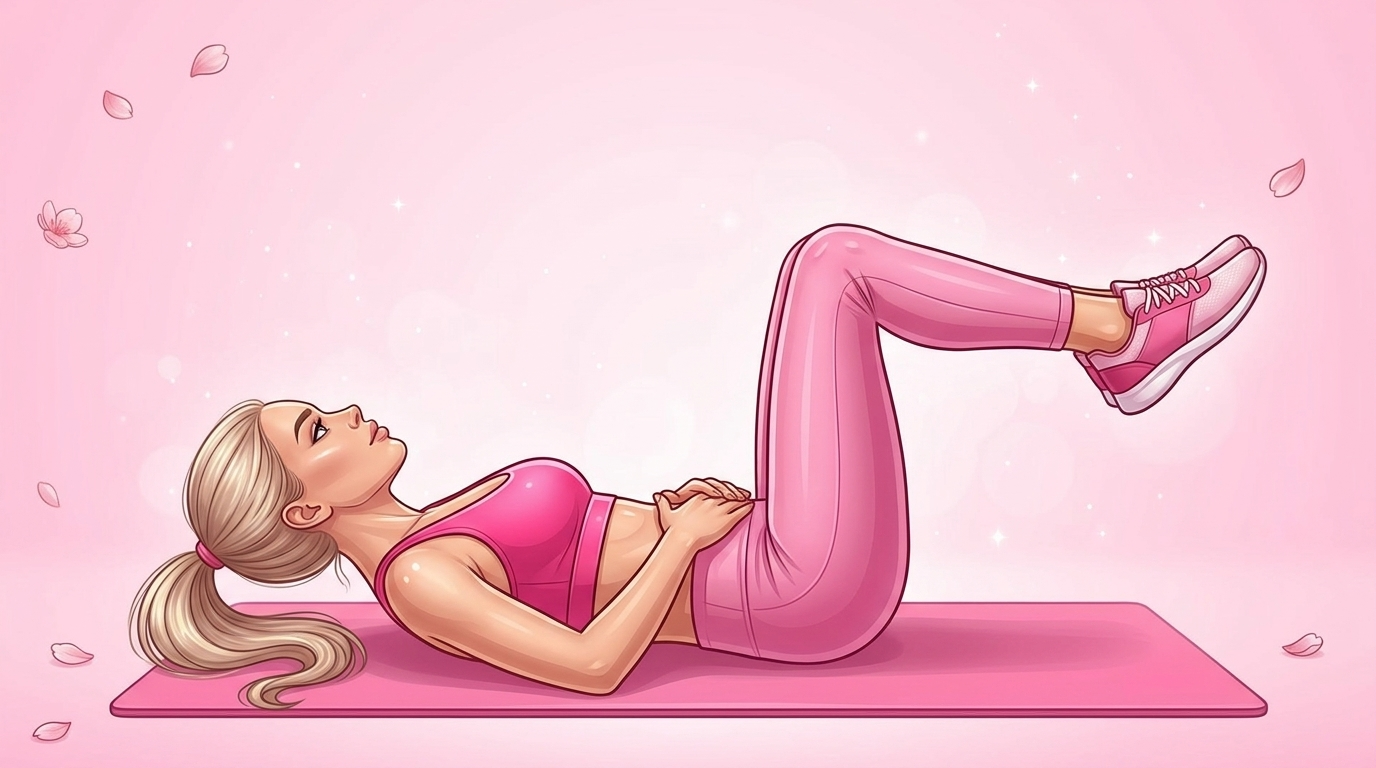
If you have been searching for Pilates for a flat stomach and quietly wondering whether it really works, you are in good company. So many of us have tried the endless crunches, the punishing ab challenges, and the workouts that left us sore but somehow no closer to feeling at home in our own midsection.
Here is the gentle truth. Pilates can do beautiful things for your stomach, but probably not in the way the highlight reels promise. It is not magic, and it is not a punishment either. It is something far kinder and, honestly, far more effective.
In this guide we will walk through exactly what Pilates can and cannot do for your midsection, why deep-core work beats surface-level crunches every time, and what realistic results actually look like week by week. No hype. Just soft, science-backed clarity so you can begin with confidence.
Can Pilates Really Give You a Flat Stomach?
The short answer is yes, Pilates can absolutely help you build a flatter, stronger, more comfortable stomach. The longer answer is that it depends on what we mean by flat, and on a few things that happen far below the surface of your skin.
A flatter-looking tummy usually comes from three things working together: stronger deep core muscles that hold everything in like a natural corset, less bloating, and a gradual shift in body composition. Pilates directly influences the first two and gently supports the third.
What Pilates Genuinely Does for Your Midsection
Pilates trains the muscles most ab workouts ignore. It teaches your deep core to switch on and stay on, which improves posture and pulls your waistline in naturally over time.
It also calms your nervous system. Slow, breath-led movement lowers stress, and lower stress means less of the cortisol that encourages your body to store fat around your belly. This is the heart of our Trade Burnout for Bloom philosophy, and it is why our 28-Day Flat Tummy Reset leans on gentle, consistent core work rather than exhausting bootcamp drills.
What Pilates Cannot Do on Its Own
Let us be honest and loving about this part. Pilates alone cannot spot-reduce fat from your stomach. No exercise can, no matter what the before-and-after photos suggest.
If there is a layer of fat covering your abdominal muscles, you will see a flatter stomach as your overall body composition changes, which involves nourishing food and daily movement too. Pilates is a powerful piece of the picture, not the whole frame. When you pair it with gentle nutrition and regular walking, that is when the magic quietly happens.
Why Deep-Core Work Beats Endless Crunches
If crunches were the answer, we would all have flat stomachs by now. The reason they so often disappoint is that they target the wrong muscle for the job.
Meet Your Transverse Abdominis
Your transverse abdominis, or TVA, is the deepest layer of your abdominal wall. It wraps around your torso like a built-in corset, and when it is strong it gently flattens and supports your entire midsection.
Crunches mostly work the rectus abdominis, the surface six-pack muscle. Train only that and you can actually push your belly outward over time. Pilates, on the other hand, is obsessed with the TVA. Almost every movement begins by drawing the navel softly toward the spine, which is exactly the activation a flatter stomach needs.
The Cortisol and Belly Fat Connection
Here is the piece most fitness advice skips. Chronic stress raises cortisol, and elevated cortisol is strongly linked to stubborn belly fat, especially for women.
Intense, high-pressure workouts can keep your stress hormones high. Gentle Pilates does the opposite. The slow tempo and focused breathing shift you into a calmer, restorative state, which over time can help your body let go of the belly fat it was clinging to out of stress. If you have ever felt like you were doing everything right and still not seeing change, this connection may be the missing link. We explore it more in our guide on why you might not be seeing Pilates results.
The Pilates Moves That Flatten From the Inside Out
These are gentle, beginner-friendly movements that wake up your deep core and teach it to hold you in naturally. Move slowly, breathe fully, and quality always beats quantity here.
Diaphragmatic Breathing and TVA Activation
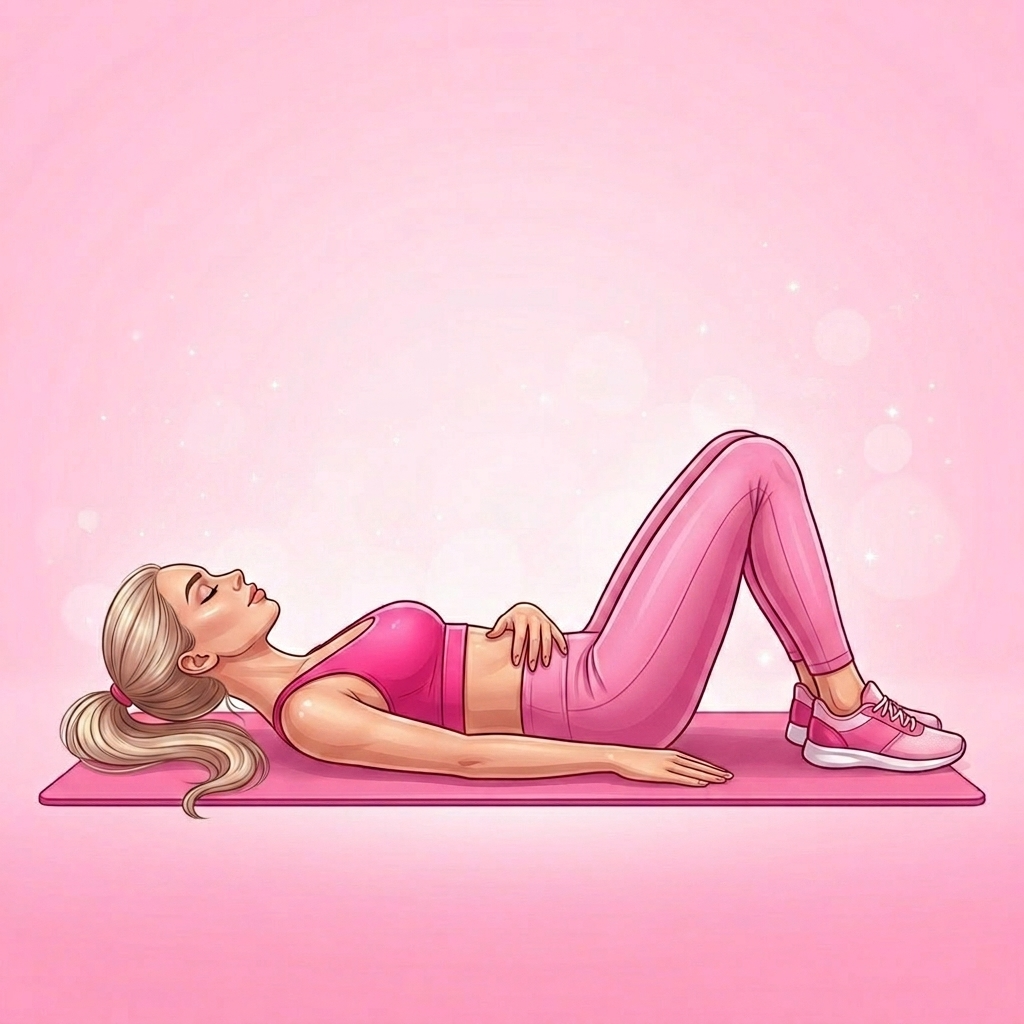
This is the foundation of everything. Lie on your back with knees bent, rest your hands on your lower belly, and breathe deeply into your ribs.
As you exhale, gently draw your navel toward your spine without flattening your back hard into the floor. This is your transverse abdominis switching on. Practice it daily and you are literally retraining your stomach to hold itself flatter.
Dead Bug
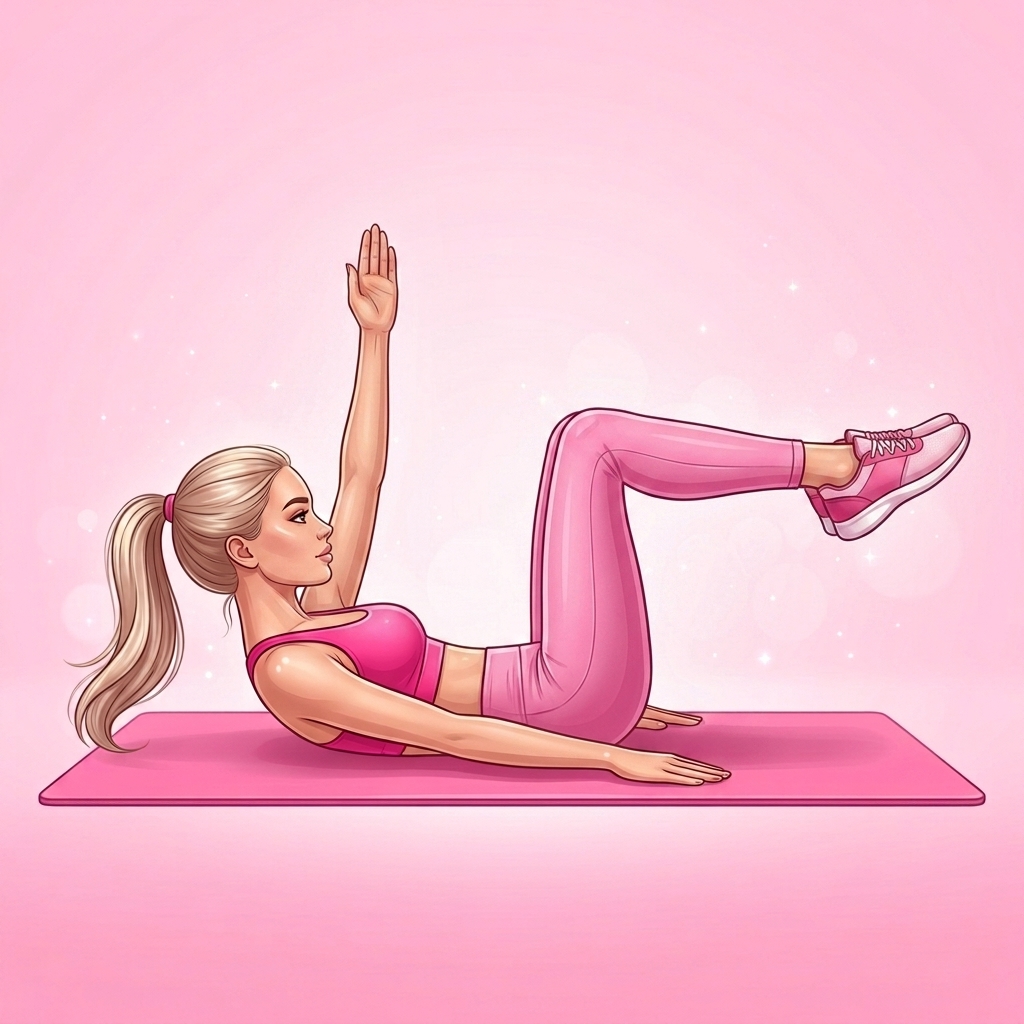
Stay on your back with arms reaching to the ceiling and knees stacked over hips. Keeping your core engaged and your lower back gently supported, lower one arm and the opposite leg, then return and switch sides.
The dead bug teaches your deep core to stay stable while your limbs move, which is exactly what real life and a strong waistline ask of it. Go slowly and stop the moment your back arches up.
The Hundred
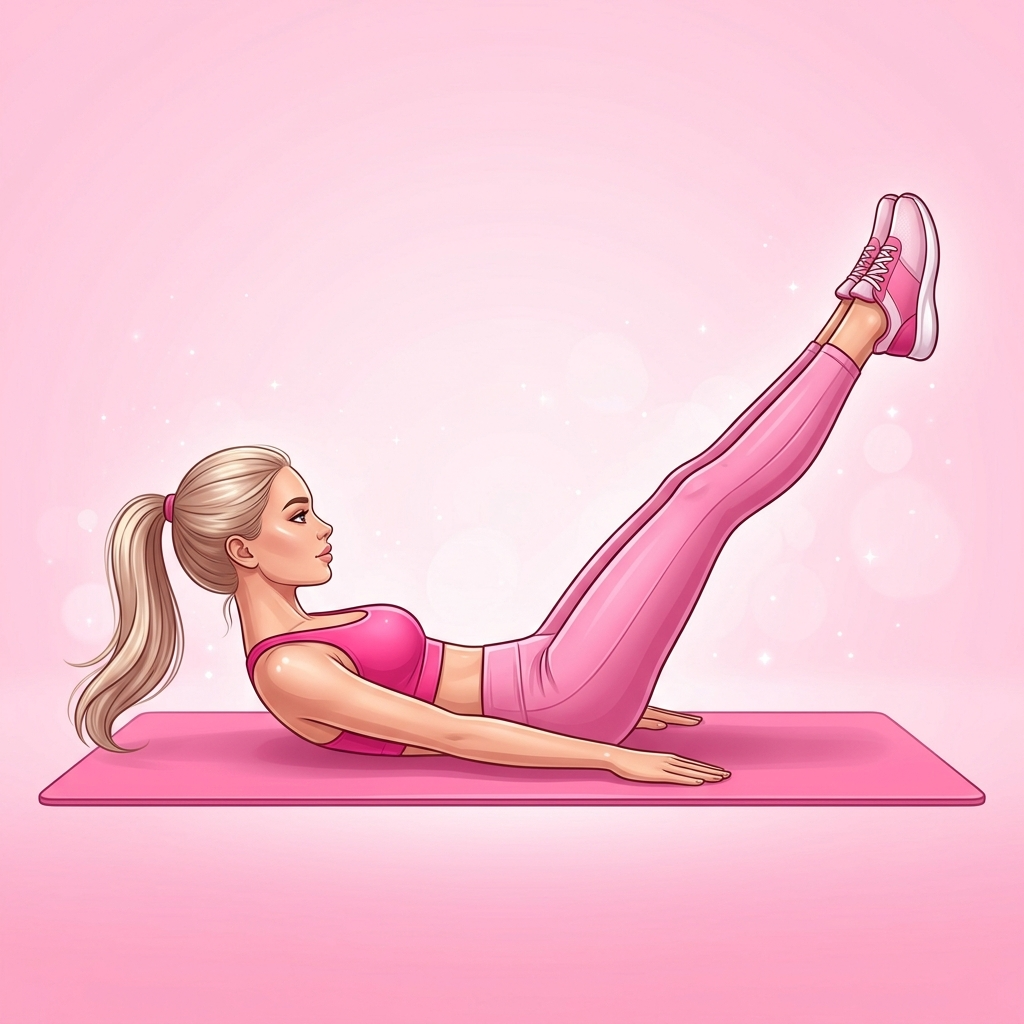
A classic Pilates move for good reason. Lie on your back, curl your head and shoulders gently off the mat, extend your legs to a comfortable height, and pump your arms by your sides as you breathe in for five counts and out for five.
The Hundred builds deep-core endurance and warmth without a single crunch. Keep your lower back calm and your neck soft, and bend your knees higher if you feel any strain.
Toe Taps
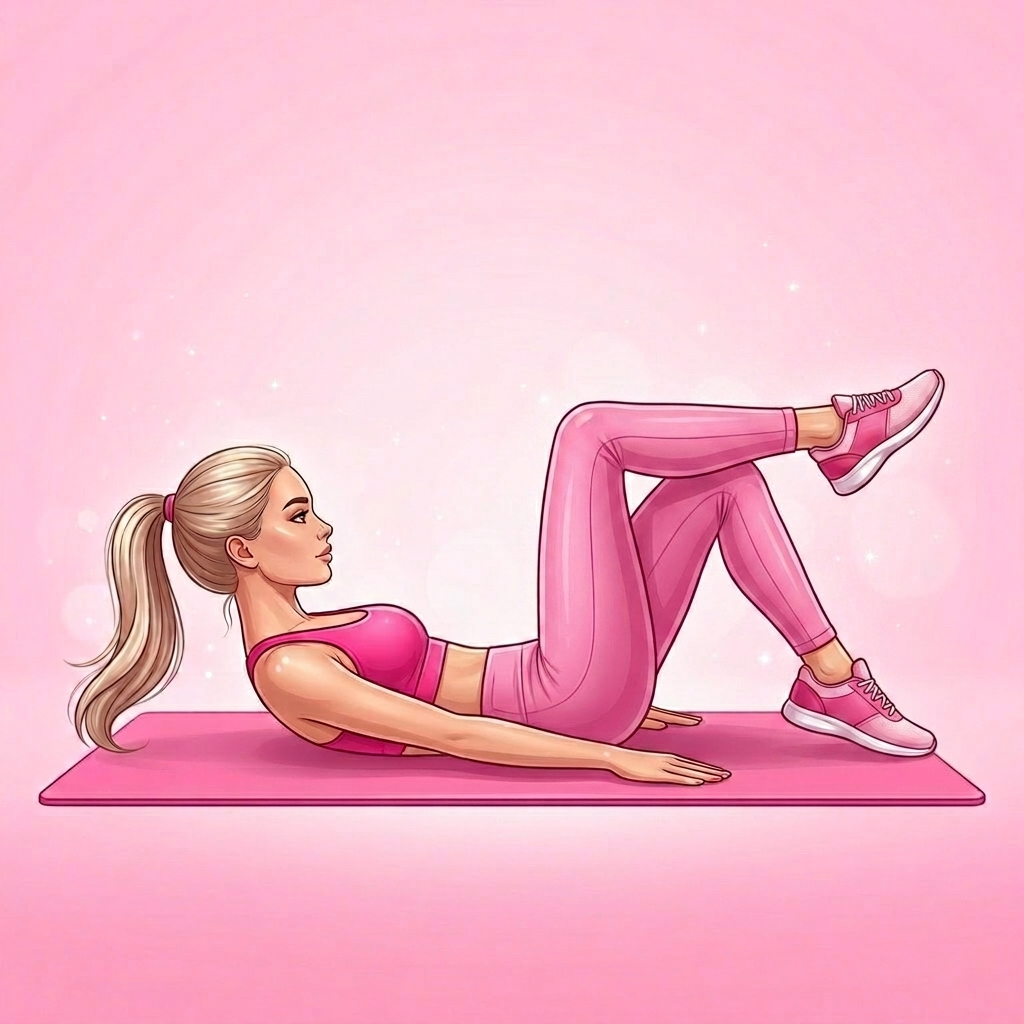
Toe taps are wonderful for the lower belly, the area so many of us feel self-conscious about. Lie on your back with legs lifted in a tabletop position, knees over hips.
On an exhale, lower one toe toward the floor while keeping your core drawn in, then return and switch. The challenge is keeping your pelvis perfectly still, which is the lower abdominals doing their quiet, flattening work.
Criss-Cross
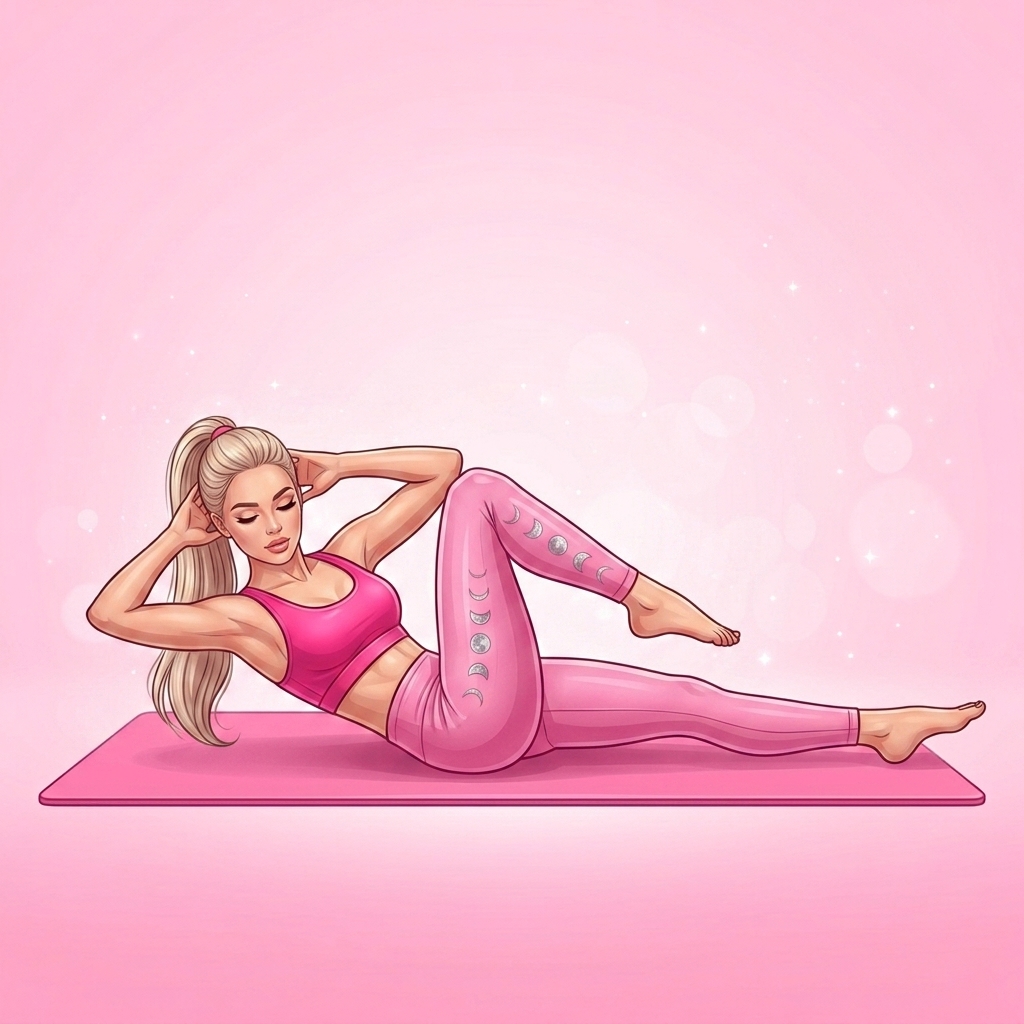
This one gently sculpts your waist. Lie on your back with hands behind your head, curl up, and rotate one elbow toward the opposite knee while extending the other leg.
Move with control rather than speed. The slow twist engages your obliques, the muscles that cinch your waistline, while your deep core stays switched on underneath.
What Realistic Results Actually Look Like
Let us set kind, honest expectations, because nothing derails consistency faster than chasing a timeline that was never real.
In the first two weeks, the changes are mostly internal. Your deep core wakes up, your posture lifts, and many women notice they feel less bloated and a little more pulled-in, even before the mirror shows much.
Between weeks three and six, posture improvements often translate into a visibly flatter, longer-looking midsection. By eight to twelve weeks of consistent practice paired with gentle nutrition, real tone and definition tend to emerge. For a fuller picture of when results typically appear, our Pilates Results Timeline tool walks you through it week by week.
The women who see the best results are rarely the ones who train hardest. They are the ones who show up gently and often. A structured plan like the 28-Day Flat Tummy Reset takes the guesswork out by sequencing this deep-core work for you, so you simply press play and bloom.
How to Get a Flatter Stomach With Pilates Without Obsessing
A flatter stomach is a lovely goal, but it should never cost you your peace. Here is how to pursue it the soft-life way.
Aim for three to four short Pilates sessions a week rather than one heroic workout. Consistency is what retrains your deep core, and ten focused minutes truly counts.
Pair your practice with daily walking and nourishing, anti-inflammatory meals to ease bloating. Prioritize sleep and stress relief, because calming your nervous system is doing real work on belly fat behind the scenes.
And please, let go of perfection. Your stomach is not a problem to be fixed. It is a strong, capable part of you that responds beautifully to gentleness. If you ever want hands-on guidance, our Pilates Studio Finder can help you find a supportive class near you.
Frequently Asked Questions
Does Pilates actually flatten your stomach?
Yes, Pilates can flatten your stomach by strengthening the deep transverse abdominis muscle that holds your midsection in like a corset. It also lowers stress-related belly fat. Visible results depend on pairing it with gentle nutrition and consistency.
How long does it take to see a flatter stomach with Pilates?
Most women feel less bloated and more pulled-in within two weeks. Visible flattening often appears between weeks three and six, with real tone by eight to twelve weeks of consistent practice combined with nourishing food and daily movement.
Is Pilates or crunches better for a flat stomach?
Pilates is generally better because it trains the deep transverse abdominis that pulls your waist in. Crunches mainly work the surface six-pack muscle and can push the belly outward over time. Deep-core work creates a naturally flatter look.
Can I get a flat stomach with Pilates alone?
Pilates strengthens and tones your core, but a visibly flat stomach also depends on body composition. Pair gentle Pilates with nourishing meals, daily walking, and good sleep for the best results. Pilates is a powerful piece of the picture, not the whole frame.
Your Next Step
So, does Pilates for a flat stomach actually work? Yes, when you trade crunches for deep-core work, intensity for consistency, and pressure for patience. Your transverse abdominis is waiting to hold you in, and your nervous system is ready to let go of what stress has been storing.
If you would love a gentle, done-for-you plan that sequences all of this beautifully, the 28-Day Flat Tummy Reset is the softest place to start. Four weeks of feminine, breath-led movement designed to flatten from the inside out.
You do not need to be perfect. You just need to begin.